Charging and Storing Your E-Scooter Battery Safely
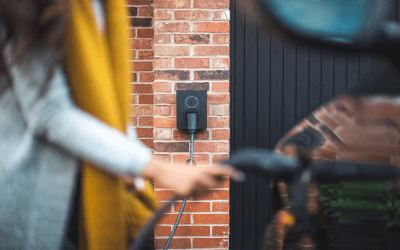
Simple habits that prevent most lithium battery risks: the right charger, when to charge, safe storage, and warning signs to watch for.
Always use the charger that came with the device
The single biggest risk factor in most reported PEV battery incidents is a mismatched or uncertified charger — one with the wrong voltage, no proper cutoff circuit, or simply poor build quality. A charger that doesn't match your battery's exact voltage and current specification can overcharge the pack or push current through it in a way it wasn't designed to handle. If you lose your original charger, buy a replacement directly from the manufacturer or an authorized seller rather than the cheapest compatible-looking option you can find online — the few euros saved are not worth the risk.
Don't charge unattended overnight, and don't charge right after a hard ride
Charging while you're asleep, or while you're out of the house, means nobody is around to notice a problem in its early stages, when it's easiest to address — a charger that gets unusually hot, a battery that swells, or a burning smell. Charging during the day, in a room you're actually in, costs nothing and meaningfully reduces the worst-case outcome if something does go wrong.
It's also worth letting the battery cool down for 15-20 minutes after a hard ride before plugging it in. Batteries heat up under heavy load, and charging a pack that's already warm adds thermal stress right when it's least able to handle it.
Where you charge matters as much as how
Charge on a hard, non-flammable surface — a garage floor or concrete, not a carpet, a bed, or a pile of clothes — and keep the charging area clear of anything that burns easily. A dedicated outlet away from exits is worth the small inconvenience, since it means a problem during charging doesn't block your route out of the building. Avoid charging directly in direct sunlight or right next to a heat source like a radiator, both of which push the battery further from its ideal temperature range during an already heat-generating process.
Storage: state of charge and temperature both matter
For day-to-day use, charging to 100% before a ride and running it down is normal and fine — lithium batteries in scooters and e-bikes are designed for this. But if you're storing a scooter for more than a few weeks (over winter, for example), most manufacturers recommend storing the battery at roughly 40-60% charge rather than fully charged or fully empty, since both extremes accelerate long-term capacity loss.
Temperature matters just as much as charge level for storage. Extreme heat (a hot car, direct sun, a garage that bakes in summer) degrades battery health fastest, while extreme cold temporarily reduces performance and can stress the cells if charged while very cold. A cool, dry, room-temperature space is the safest realistic option for most people — you don't need a climate-controlled room, just somewhere that isn't a hot attic or a freezing shed.
If you're buying a replacement battery
Aftermarket batteries are often significantly cheaper than an original manufacturer pack, and the price gap is tempting, especially once a scooter is a couple of years old. But battery packs are one part where the cheapest option carries real, disproportionate risk — a pack from an unknown manufacturer may use lower-quality cells, skip the protective circuitry that prevents overcharging, or simply not match your scooter's power draw safely. If you do go aftermarket, stick to sellers who publish clear specifications (voltage, capacity, and the protection circuitry included) and avoid listings that only show a price and a product photo.

It's also worth checking whether a new battery needs a matching charger, since some replacement packs have slightly different voltage or current requirements than the original. Using an old charger with a new, mismatched battery reintroduces the exact risk that a certified charger is supposed to eliminate.
Signs of a damaged battery you shouldn't ignore
- Visible swelling or a case that looks puffed up — a lithium cell should always look flat and uniform; swelling means gas has built up inside and the cell is compromised.
- Unusual heat during charging or while idle, not just while riding hard.
- A chemical or burning smell, even faint, especially during or right after charging.
- Reduced range that drops suddenly rather than gradually — a sharp, sudden drop can indicate internal cell damage rather than normal aging.
- Physical damage from a drop or a hard impact, even if the scooter still seems to work normally afterward.
If you notice any of these, stop charging immediately, move the scooter away from anything flammable and away from the building if possible, and contact the manufacturer or a qualified repair shop rather than continuing to use or charge it. Don't attempt to open or repair a battery pack yourself.
The habits that matter most, summarized
- Use only the original or manufacturer-approved charger.
- Charge during the day, somewhere you're present, not overnight while asleep.
- Let the battery cool briefly after hard riding before plugging it in.
- Charge on a hard, non-flammable surface, away from exits and flammable clutter.
- For long-term storage, keep the charge around 40-60% and avoid extreme heat or cold.
None of this requires special equipment or turns charging into a chore — it's mostly about where you plug in and when, not anything you need to buy. Building these into a routine from day one is the easiest way to get years of trouble-free use out of a scooter or e-bike battery.